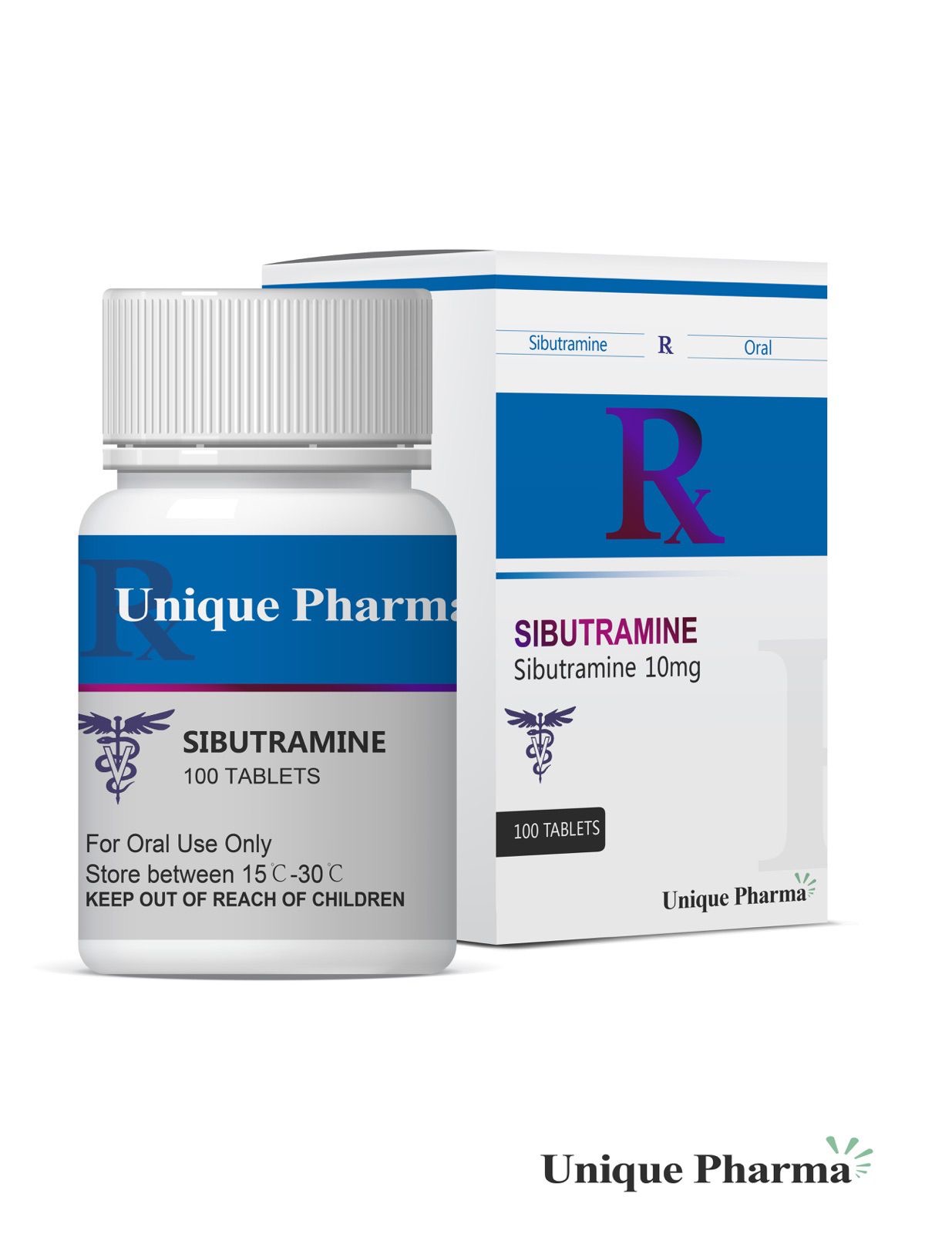
Sibutramine 100 x 10mg Unique Pharma
€ 40,00
Company: Unique Pharma
Active half-life (hours): 1 hour
Group: Appetite suppressant
Subgroup: Oral tablets
Dosage: 10 mg per capsule
Application (men): 15–30 mg / day
Product packaging: 100 capsules
Content (active): Sibutramine
Houdt water vast: Nee
Aromatisering: Nee
Out of stock
Description
Unique Pharma Sibutramine 10: A Comprehensive Exploration of Its Role in Weight Management
Sibutramine, a pharmaceutical compound known under various brand names, including Meridia, holds a prominent place in the field of weight management. With its unique mechanisms of action and clinical applications, this medication offers both opportunities and considerations for healthcare providers and patients alike.
1. Mechanisms of Action:
Sibutramine functions as a serotonin-norepinephrine reuptake inhibitor (SNRI), influencing neurotransmitter activity in the brain. By inhibiting the reuptake of serotonin and norepinephrine, it enhances feelings of satiety and stimulates thermogenesis, thereby contributing to weight loss efforts.
2. Clinical Applications:
This medication is primarily prescribed for the treatment of obesity and related conditions, serving as a valuable aid in comprehensive weight loss regimens. Healthcare professionals may recommend it to individuals struggling with obesity or weight-related health issues, aiming to facilitate significant and sustained weight reduction.
3. Effectiveness in Weight Loss:
Clinical studies have demonstrated the efficacy of this medication in promoting weight loss and improving metabolic parameters. Patients undergoing treatment with sibutramine often experience a noticeable reduction in body weight, accompanied by improvements in cardiovascular risk factors such as cholesterol levels and blood pressure.
4. Safety Profile and Considerations:
Despite its effectiveness, this medication is not without concerns, particularly regarding cardiovascular safety. Worries about its potential to raise blood pressure and heart rate have prompted regulatory scrutiny and, in some cases, market withdrawal in certain regions.
5. Risk-Benefit Analysis:
Healthcare providers must conduct a thorough risk-benefit analysis before initiating sibutramine therapy. Evaluating individual patient characteristics, including cardiovascular health and risk factors, helps determine the suitability of sibutramine treatment and minimizes potential adverse effects.
6. Regulatory Status and Availability:
The legal status of sibutramine varies by country, reflecting ongoing assessments of its safety and efficacy. Regulatory authorities continue to monitor the risk-benefit profile of this medication, influencing its availability and usage in medical practice.
7. Patient Counseling and Monitoring:
Patients prescribed this medication require thorough counseling regarding its intended effects, possible side effects, and necessary precautions. Regular monitoring of cardiovascular parameters and overall health status is essential to ensure patient safety and optimize treatment outcomes.
8. Alternative Strategies and Therapies:
In light of the safety concerns associated with sibutramine, healthcare providers are exploring alternative strategies and therapies for weight management. Lifestyle modifications, dietary interventions, and alternative pharmacological agents may serve as viable options or complements to sibutramine therapy, tailored to individual patient needs and preferences.
9. Research and Development Efforts:
Ongoing research aims to address the safety issues surrounding sibutramine while maximizing its therapeutic benefits. New formulations, combination therapies, and targeted approaches are being developed to optimize weight management strategies and enhance patient outcomes.
10. Conclusion:
This medication remains a valuable asset in the arsenal of weight management interventions, offering significant potential benefits to individuals struggling with obesity. However, its use requires careful consideration of patient-specific factors, cardiovascular health, and regulatory guidelines to ensure safe and effective treatment outcomes.
As healthcare providers navigate the complexities surrounding this medication, continuous vigilance, informed decision-making, and adherence to best practices are essential. By harnessing the therapeutic potential of sibutramine while prioritizing patient safety, healthcare professionals can help individuals achieve meaningful and sustainable weight loss goals.
11. Stacking:
Additional Insights:
Recent studies have highlighted the potential role of this medication in addressing obesity-related comorbidities beyond weight loss alone. Research indicates that this drug may contribute to improvements in insulin sensitivity, lipid profiles, and inflammatory markers, underscoring its versatile impact on metabolic health. Moreover, ongoing efforts in pharmacogenomics aim to clarify genetic factors influencing individual responses to sibutramine therapy, paving the way for personalized approaches to weight management. These developments hold promise for optimizing treatment outcomes and enhancing the effectiveness of this medication in tackling the complex challenges of obesity management.


Reviews
There are no reviews yet.